A vet told her to euthanize her cat. ChatGPT said the numbers were impossible.
The vet reported a 2.8% red blood cell count and recommended immediate euthanasia. ChatGPT spotted the problem before the owner did. The cat is alive.
By Sara Morales · April 4, 2026
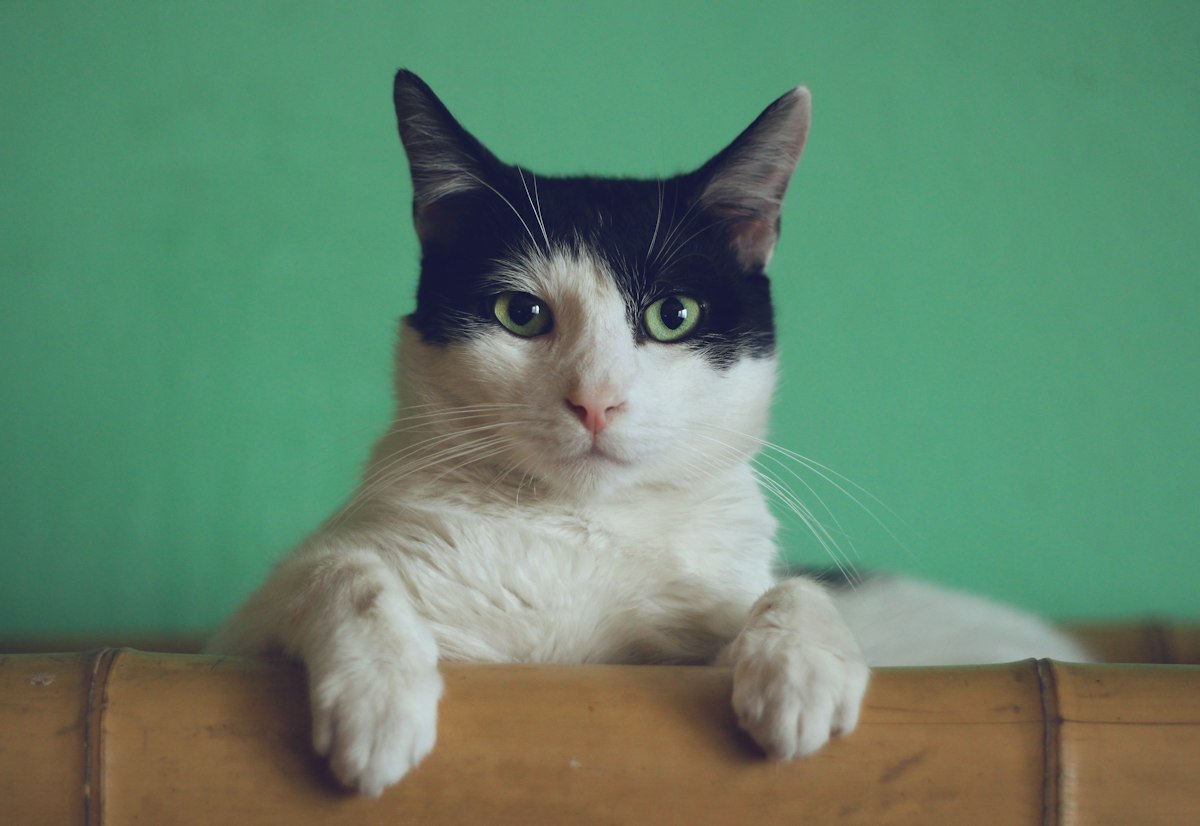
Last week a post on r/ChatGPT got tens of thousands of upvotes. The title: "Chatgpt confirmed an error in my Cat's blood panel by an incompetent vet hospital and quite literally saved her life."
The owner described getting a call from the vet with alarming news. The cat's red blood cell (RBC) count had come back at 2.8%. The vet said the cat needed immediate blood transfusion and potentially euthanasia if she didn't respond. The owner was devastated. They stopped the cat's medications and spent days grieving what they thought was a terminal diagnosis.
Something felt wrong. The cat was still jumping on furniture. Still eating. Still acting like herself.
The owner pasted the blood panel results into ChatGPT and asked if these numbers made sense. The response was direct: a 2.8% RBC count in a living, mobile cat was physiologically impossible. A cat with those numbers would not be able to stand. The AI suggested the most likely explanation was a transcription or unit error in the lab report.
The owner demanded a re-test. The actual result: 22.8%. A decimal point in the wrong place on the original report. The cat's blood count was low-normal but not critical. She's still alive.
The Story Is Remarkable, But Let's Be Precise About What Happened
It would be easy to frame this as "AI outsmarted the vet." That framing is both wrong and unhelpful.
What ChatGPT did was apply basic veterinary physiology knowledge that any competent vet would know: a 2.8% PCV (packed cell volume, which is what RBC% typically measures in feline panels) is incompatible with a cat that can walk. The AI flagged a number that didn't pass a sanity check. The vet - or more likely the lab report - had made an obvious transcription error that somehow got through without anyone noticing.
The AI didn't diagnose the cat. It didn't override clinical judgment. It caught a data entry error using knowledge that should have been caught by the humans in the chain.
That distinction matters because it defines what AI is actually useful for in medical contexts: not replacing clinical expertise, but providing a second check on information that's passed through multiple hands before reaching a patient (or a patient's owner).
This Is the Third Animal Medical Story in Six Months
We wrote last month about Mark Conyngham using ChatGPT and AlphaFold to help design a cancer vaccine for his dog Rosie - a story that made global headlines. Earlier this year there was a viral thread about a dog owner whose vet dismissed a lump, who got a second opinion from ChatGPT, pushed for a biopsy, and found early-stage cancer.
Three animal medical stories in six months isn't a coincidence. It reflects something structural: pet owners are anxious, AI is accessible, and veterinary medicine - like human medicine - involves information that passes through multiple layers before reaching the person who needs to act on it. Errors happen. AI is increasingly good at flagging when something doesn't add up.
What This Means Practically
We're not suggesting you second-guess every vet report with ChatGPT. Veterinary and medical professionals have context, judgment, and direct observation that no AI can replicate. Most of the time they're right.
What this story suggests is something narrower: when a diagnosis feels inconsistent with what you're observing, and especially when numbers are involved, it costs nothing to run those numbers by an AI and ask if they make sense. The AI isn't going to tell you the cat's diagnosis. But it might tell you that 2.8 should probably be 22.8.
That's not replacing medicine. That's the same thing as checking your restaurant bill.
The Owner's Final Note
At the end of the Reddit post, the owner wrote: "She's alive, and I'm never blindly trusting numbers from a vet again without double checking."
The lesson they took wasn't "AI is better than vets." It was "verify the data." The AI was a tool for doing that verification, not an oracle that replaced expertise.
That's the frame that actually scales.
Comments
Some links in this article are affiliate links. Learn more.